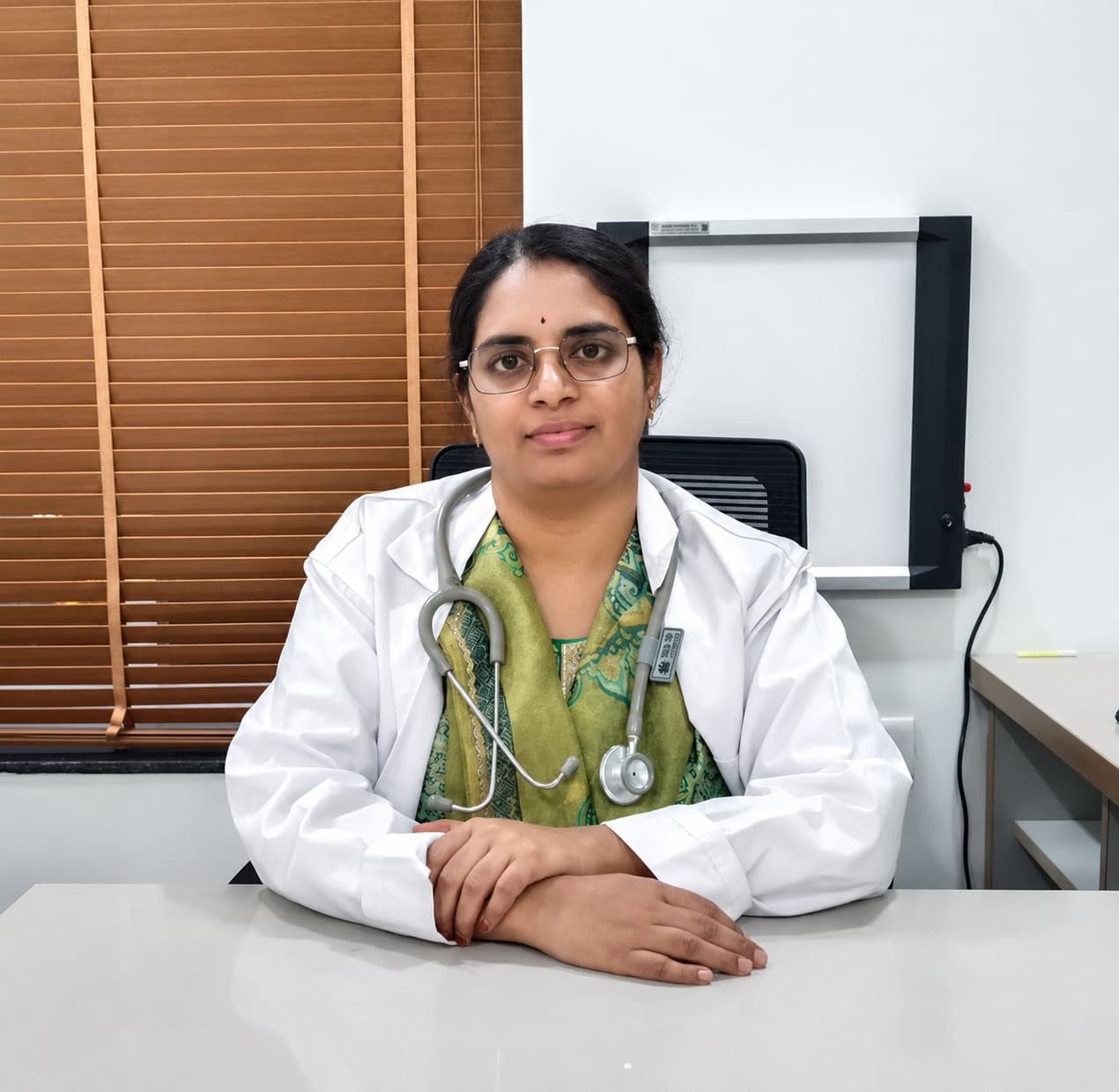
Hemorrhoidectomy is a procedure to remove painful or swollen veins around the anus, commonly known as piles or hemorrhoids. It is recommended when creams, diet changes, or other simple fixes aren't bringing relief. By gently removing the swollen tissue, this procedure offers lasting relief from pain, itching, and bleeding.
Hemorrhoidectomy is a procedure to remove painful or swollen veins around the anus, commonly known as piles or hemorrhoids. It is recommended when creams, diet changes, or other simple fixes aren't bringing relief. By gently removing the swollen tissue, this procedure offers lasting relief from pain, itching, and bleeding.
Haemorrhoids often cause bright red bleeding on the toilet paper or in the bowl after passing stool. Many people also notice itching, irritation, or a mucus discharge around the anal area, especially after bowel movements.
Internal piles may prolapse — bulge out of the anus during straining and either retract spontaneously or require manual pushing back. External piles can form a painful, swollen lump if a blood clot develops (thrombosed haemorrhoid).
Symptoms often worsen with constipation, prolonged sitting, pregnancy, or straining. Severe pain with fever, inability to pass stool, or heavy continuous bleeding requires urgent medical evaluation.
Search...
Common Conditions Treated
Grade I Internal Haemorrhoids: Bleeding without prolapse.
Grade II Internal Haemorrhoids: Prolapse with straining but spontaneous reduction.
Grade III Internal Haemorrhoids: Prolapse requiring manual reduction.
Grade IV Internal Haemorrhoids: Permanently prolapsed; cannot be pushed back.
External Haemorrhoids: Swollen veins under the skin around the anus.
Thrombosed External Haemorrhoids: Painful clot within an external pile.
Mixed Haemorrhoids: Combination of internal and external disease.
What are Haemorrhoids (Piles)?
Haemorrhoids are swollen blood vessels in the anal canal and around the anus. They are very common — up to half of adults experience symptoms by age 50. When conservative measures fail, haemorrhoidectomy or minimally invasive procedures provide lasting relief.
Causes of Haemorrhoids
Increased pressure in the lower rectum is the main driver — from straining during bowel movements, chronic constipation, prolonged sitting, pregnancy, obesity, and a low-fibre diet.
Chronic Constipation & Straining: The most common modifiable risk factor.
Low-Fibre Diet: Hard stools increase straining and venous pressure.
Prolonged Sitting: Desk jobs and long commutes raise anal venous pressure.
Pregnancy & Childbirth: Uterine pressure and straining during delivery.
Obesity: Associated with higher intra-abdominal pressure.
Ageing: Supporting tissues in the anal canal weaken over time.
The Hyderabad Lifestyle Matrix: Why Piles Rates Are Rising
In urban Telangana — especially Hyderabad's IT corridors — piles are increasingly linked to sedentary work, low-fibre diets, spicy and oily meals, and delayed care due to embarrassment. These factors increase straining, constipation, and venous congestion in the anal canal.
1. Dietary & Lifestyle Metrics: Straining and Constipation
Piles are strongly associated with bowel habits. Urban lifestyles that reduce fibre intake and increase refined carbohydrates directly raise the risk of constipation and straining.
Low-Fibre Urban Diet
The Data: Hyderabad's urban diet often combines white rice, maida-based foods, and restaurant meals with insufficient daily vegetables and whole grains. Spicy, oily street food and late-night eating are common among IT workers. Recent epidemiological estimates indicate that nearly 50% of adults in major urban centers like Hyderabad experience hemorrhoidal symptoms at some point, making it one of the most prominent lifestyle-driven clinical presentations in the region.
The Piles Link: Low fibre produces harder stools; straining raises anal venous pressure and worsens haemorrhoidal swelling. Chronic constipation is one of the strongest preventable drivers of symptomatic piles.
Sedentary IT Workforce
What is Haemorrhoidectomy?
Haemorrhoidectomy is surgical removal or destruction of symptomatic haemorrhoidal tissue. Modern options include laser haemorrhoidoplasty, stapled haemorrhoidopexy (PPH), and conventional excisional surgery. The goal is to stop bleeding, reduce prolapse, and relieve pain when lifestyle and medical treatments have failed.
With the right technique and aftercare, 85–95% of patients achieve lasting symptom relief. Many minimally invasive procedures allow same-day discharge.
Do You Really Need Surgery?
Not every pile needs surgery. Grade I–II disease often responds to fibre, fluids, and office treatments like rubber band ligation. Surgery is recommended when:
Persistent bleeding: Anaemia or frequent blood loss despite conservative care.
Prolapse: Grade III–IV internal haemorrhoids or irreducible prolapse.
Thrombosed external piles: Severe pain not resolving with conservative care.
Failed office therapy: Banding or sclerotherapy unsuccessful.
Quality of life: Symptoms affecting work, travel, or daily comfort.
What Happens if You Delay Treatment?
Delaying treatment for worsening piles can lead to progressive symptoms and complications. Seek urgent care for heavy bleeding, severe pain, or fever.
Skin tags, hygiene difficulties, and perianal irritation.
Strangulation of prolapsed tissue (rare emergency).
When Should You Not Delay Treatment? (Emergency Warning Signs)
Go to the emergency department if you have:
Types of Procedures for Haemorrhoids
Piles treatment ranges from office procedures to day-care laser and formal haemorrhoidectomy. Choice depends on grade, symptoms, and patient preference.
1. Laser Haemorrhoidoplasty
Laser energy shrinks haemorrhoidal tissue with minimal cutting. Popular for Grade II–III disease; often same-day discharge with less post-op pain than open surgery.
2. Stapled Haemorrhoidopexy (PPH)
A circular stapler removes a ring of prolapsed mucosa and restores anatomy. Effective for prolapse-dominant Grade III–IV internal piles; shorter recovery than open excision.
3. Conventional (Open) Haemorrhoidectomy
Gold-standard excision of haemorrhoidal bundles. Most durable for large external or mixed disease; associated with more post-operative discomfort.
4. Rubber Band Ligation
Office procedure for Grade I–II internal piles — no hospital stay. Not suitable for large prolapsed or external disease.
Evidence from randomised trials and meta-analyses guides the choice between stapled, laser, open, and office-based piles treatments — balancing efficacy, pain, and recurrence.
Study / Guideline
Core Metric Settled
Direct Impact on Surgical Practice
Link to Study / Summary
Cochrane Review: Stapled vs Conventional Haemorrhoidectomy
Stapled haemorrhoidopexy associated with less post-op pain and faster return to work; similar long-term outcomes in selected patients.
Popularised PPH for prolapse-dominant internal haemorrhoids.
Being an active participant in your healthcare is important. Here are 10 highly useful questions to ask your proctologist during your consultation:
1What grade are my haemorrhoids, and do I need surgery or office treatment?
2Which procedure do you recommend — laser, stapler, open, or banding — and why?
3What type of anaesthesia will I need?
4Can this be done as same-day daycare surgery?
5How much pain should I expect and for how long?
6What is your recurrence rate with this technique?
7How should I prepare my bowels before and after surgery?
Frequently Asked Questions about Haemorrhoidectomy
Are piles the same as haemorrhoids?
Yes. 'Piles' is the common term for haemorrhoids — swollen blood vessels in the anal canal or around the anus.
Is laser piles surgery painful?
Laser haemorrhoidoplasty typically causes less post-operative pain than open surgery, though some discomfort during bowel movements is normal for several days.
How long is bed rest after piles surgery?
Most laser and stapler patients walk the same day and resume desk work within 3–7 days. Open haemorrhoidectomy may need 1–2 weeks before office return.
Find the Right Specialist for Haemorrhoidectomy
Why Choose SPEROW?
Haemorrhoidectomy is performed by Proctologists and Colorectal Surgeons. SPEROW connects you with verified specialists in Hyderabad experienced in laser, stapler, and open techniques, with transparent pricing and insurance support.
1Board-certified proctologists with high-volume piles surgery experience.
2Hospitals offering laser daycare, stapler, and emergency backup.
Get connected with a trusted doctor for an expert second opinion through our care team.
No Cost Expert Guidance · Coordinated Care · Personalized Support
The Data: NFHS urban data for Telangana shows high rates of overweight and sedentary behaviour. Hyderabad's large tech workforce often sits 8–10 hours daily with limited physical activity.
The Piles Link: Prolonged sitting increases venous pooling in the pelvis and anal region, aggravating haemorrhoids. Combined with dehydration and irregular meal timing, this creates ideal conditions for symptomatic piles.
Many patients delay proctology consultation due to stigma, trying over-the-counter creams or home remedies first. Hyderabad now has strong daycare laser and stapler programmes, but earlier specialist access improves outcomes.
Metric
Hyderabad / Telangana Context
Impact on Piles Care
Delayed Presentation
Common due to embarrassment; patients often present at Grade III–IV.
Higher need for surgery vs office procedures; longer recovery.
Laser & Daycare Surgery Availability
Widely available in corporate and proctology centres.
Same-day discharge and faster return to work for suitable cases.
Insurance Cashless for Proctology
Most insurers cover medically indicated haemorrhoidectomy.
Reduces financial barrier to definitive treatment.
Pregnancy-Related Piles
Common in urban maternity cohorts; often improves post-delivery.
Timing of surgery planned after conservative trial in pregnancy.
Heavy continuous rectal bleeding or dizziness from blood loss.
Severe anal pain with fever and spreading redness.
Inability to pass urine or stool with severe perianal swelling.
Black tarry stools or bleeding with abdominal pain (rule out other causes).
Know Your Insurance Benefits
Get clarity on your insurance coverage before your treatment, with guidance from our care team every step of the way.
Ligates arterial inflow under ultrasound guidance with optional mucopexy. Minimally invasive option for selected Grade II–III cases.
Note: Combined techniques may be used for mixed haemorrhoids. Your proctologist will recommend the option with the best balance of efficacy and recovery for your grade and symptoms.
3–7 days desk work
1–2 weeks
2–4 weeks
1–2 days
Recurrence Risk
Low to moderate
Low for prolapse
Lowest long-term
Moderate; may need repeat bands
Cost Range (India)
Moderate
Moderate to high
Moderate
Low
Doctor's Recommendation
For Grade I–II disease, start with fibre, lifestyle changes, and banding. For Grade III–IV or failed conservative care, laser, stapled, or open haemorrhoidectomy offers definitive relief. Thrombosed external piles with severe pain may need urgent excision.
Pre-operative evaluation for piles surgery typically includes:
Clinical examination: Proctoscopy to confirm grade and rule out fissure/fistula.
Blood tests: CBC (anaemia from bleeding), clotting profile.
Bowel preparation: Laxative or enema as advised — clears lower rectum.
Medication review: Blood thinners may need adjustment.
Diabetes control: Optimise glucose before elective surgery.
In the days before surgery:
High-fibre diet: Softens stools and reduces straining after surgery.
Hydration: 2.5–3 litres water daily.
Avoid straining: Do not delay bowel movements.
Fasting: 6–8 hours before anaesthesia if general/spinal planned.
For daycare or short-stay admission:
Government ID and insurance card.
Loose cotton clothing; slip-on footwear.
List of medications.
Sanitary pads or soft gauze for post-op discharge.
Typical admission flow:
Registration, vitals, and consent.
IV line if general/spinal anaesthesia planned.
Bowel prep completed if prescribed.
Anaesthesiologist review.
Steps vary by technique:
Positioning: Lithotomy (legs raised) for anal access.
Anaesthesia: Local, spinal, or general depending on procedure.
Laser/Stapler/Open: Tissue ablated, stapled, or excised per plan.
Haemostasis: Bleeding controlled; wound dressed.
Recovery room / daycare discharge:
Pain relief and stool softeners prescribed.
Sitz bath instructions given.
Oral intake when awake.
Discharge same day or next morning for most laser/stapler cases.
Haemorrhoidal tissue is treated by laser ablation, stapling, ligation, or surgical excision depending on the chosen technique.
Laser: fibre delivers energy to shrink vascular cushions.
Stapler: circular excision of prolapsed mucosa and repositioning.
Open: pedicles clamped, excised, and base sutured.
Step 3
Step 3
Haemostasis and Dressing
Bleeding is controlled. Wounds may be left open (open haemorrhoidectomy) or closed (some laser cases). Dressing applied.
Specimen sent to histopathology if indicated.
Step 4
Step 4
Recovery and Discharge
Patient monitored for pain and bleeding. Discharged with stool softeners, analgesics, and sitz bath instructions.
Operative time typically 20–60 minutes.
How Long Does Haemorrhoidectomy Take?
Laser procedures often take 20–30 minutes; stapled or open haemorrhoidectomy 45–90 minutes depending on complexity and number of piles treated.
Expert Guidance, Every Step of the Way
Our dedicated care coordinators are here to answer your questions and guide you through every stage of your treatment.
Conservative excision technique; dilation if needed
Recurrence
Low to moderate
New or residual symptoms
High-fibre diet, avoid straining; repeat procedure if needed
Stapler-specific complications
Rare
Pelvic sepsis, rectal perforation (PPH)
Proper patient selection; experienced surgeon
Pre-operative diagnostic blood panels and screening tests.
Post-discharge medications, stool softeners, and follow-up clinical visits.
Is It Covered by Insurance?
Yes, advanced Laser Hemorrhoidoplasty is recognized as a medical necessity across major health insurance providers when symptoms persist. SPEROW assists you with seamless documentation to fast-track your claims.
Full cashless claim support across paneled network hospitals in Hyderabad.
Assistance with documentation for effortless reimbursement if using non-network facilities.
Essential home care after piles surgery:
Sitz baths: Warm water 2–3 times daily and after bowel movements.
Stool softeners: Prevent straining — critical for healing.
10What symptoms after surgery should prompt me to call you immediately?
Can piles come back after surgery?
Recurrence is possible if constipation and straining continue. Surgery has the lowest recurrence; maintaining a high-fibre diet reduces risk.
Is haemorrhoidectomy covered by insurance in India?
Yes, for symptomatic medically documented cases. Check your policy for daycare and waiting-period clauses.
What is the best treatment for Grade IV piles?
Grade IV prolapse usually requires stapled haemorrhoidopexy or open haemorrhoidectomy rather than banding alone.
Can I avoid surgery with medicines?
Grade I–II often respond to fibre, creams, and banding. Advanced grades usually need a definitive procedure for lasting relief.
Is piles surgery embarrassing?
Proctologists treat piles daily — it is a routine condition. Early consultation prevents worse symptoms and simpler treatment.
What is a sitz bath?
Sitting in warm shallow water for 10–15 minutes to soothe the anal area, especially after bowel movements — essential after surgery.
When can I drive after piles surgery?
Usually when you can sit comfortably and are off strong painkillers — often 2–5 days for laser, longer for open surgery.
Can pregnancy cause piles?
Yes. Pressure from the uterus and straining during delivery commonly cause or worsen haemorrhoids. Many improve postpartum; surgery is deferred unless severe.
What foods should I eat after haemorrhoidectomy?
High-fibre foods (fruits, vegetables, oats), plenty of water, and stool softeners as prescribed. Avoid spicy and constipating foods initially.
How much does laser piles surgery cost in Hyderabad?
Typically ₹40,000–₹1,20,000 depending on hospital tier, grade, and whether daycare or overnight stay is needed.
What is stapler surgery for piles?
Stapled haemorrhoidopexy (PPH) uses a circular stapler to remove prolapsed mucosa and lift haemorrhoidal tissue — effective for prolapse-dominant disease.
When is open haemorrhoidectomy still preferred?
For large external piles, mixed disease, recurrent symptoms after other procedures, or when minimally invasive options are not suitable.
Find a Surgeon You Can Trust
We'll connect you with an experienced specialist who matches your condition, treatment needs, and preferences.