
Free Second Opinion
Get connected with a trusted doctor for an expert second opinion through our care team—at no cost.
Medical Speciality
.png)
7+ procedures available
Get connected with a trusted doctor for an expert second opinion through our care team—at no cost.
Explore procedures in general surgery with treatment and recovery details for each option.
7 procedures
Explore Anal Fissure Surgery options with verified surgeons and hospitals.
View procedureExplore Anal Fistula Surgery options with verified surgeons and hospitals.
View procedureExplore Appendix Surgery options with verified surgeons and hospitals.
View procedureExplore Gall bladder Removal options with verified surgeons and hospitals.
View procedureExplore Haemorrhoidectomy(Piles Treatment) options with verified surgeons and hospitals.
View procedureExplore Hernia Surgery options with verified surgeons and hospitals.
View procedureExplore Pilonidal Sinus Surgery options with verified surgeons and hospitals.
View procedureAbout
General surgery in Hyderabad covers the most common surgical procedures — including hernia surgery, piles surgery, laser piles treatment, fissure surgery, gallbladder removal, appendix surgery, and laparoscopic procedures. At SPEROW, we connect patients in Hyderabad with verified general surgeons who specialise in minimally invasive and day-care surgical procedures, helping you recover faster with less pain.
An overview of conditions commonly evaluated and managed within this speciality.
Inguinal Hernia
A bulge in the groin when tissue pushes through a weak spot in the lower abdominal wall—the most common hernia type.
Umbilical Hernia
A bulge near the navel caused by a defect in the abdominal wall, common in adults with raised abdominal pressure.
Incisional Hernia
A hernia that develops through the scar of a previous abdominal surgery.
Hiatal Hernia
Part of the stomach pushing up through the diaphragm, often associated with acid reflux.
Gallstones (Cholelithiasis)
Hardened deposits in the gallbladder that can cause pain, indigestion, and blockage of bile flow.
Cholecystitis
Inflammation of the gallbladder, usually due to gallstones blocking the cystic duct.
Appendicitis
Inflammation of the appendix causing acute abdominal pain that typically requires urgent removal.
Intestinal Obstruction
A blockage that prevents food or fluid from passing through the small or large intestine.
Haemorrhoids (Piles)
Swollen blood vessels in the anal region causing bleeding, discomfort, or prolapse.
Anal Fissure
A small tear in the lining of the anal canal that causes sharp pain and bleeding during bowel movements.
Anal Fistula
An abnormal tunnel between the anal canal and the skin, often following an abscess.
Pilonidal Sinus
A small cavity or tunnel near the tailbone that can become infected and painful.
Lipoma
A soft, benign fatty lump under the skin that may be removed if it grows or causes discomfort.
Sebaceous Cyst
A non-cancerous, fluid- or keratin-filled sac under the skin that can become infected.
Abscess
A painful collection of pus caused by infection that often requires surgical drainage.
Diabetic Foot & Wounds
Non-healing wounds and infections that require surgical debridement and coordinated wound care.
Many general surgical conditions start with mild symptoms that worsen over time. If you experience any of the following persistent or severe symptoms, it is a good idea to consult a general surgeon for evaluation.
Consider seeing a general surgeon if you have:
Seek surgical evaluation if you experience:
You should consult a general surgeon if you notice:
Seek urgent medical care if you experience:
Verified specialists with experience in general surgery procedures and patient care.
Find answers to common questions about general surgery procedures.
Hernia surgery cost in Hyderabad varies depending on the type of hernia, surgical approach, and hospital. SPEROW provides transparent cost estimates before your procedure. Book a free consultation to get a personalised cost breakdown.
Yes. Laser piles treatment and stapled hemorrhoidectomy are commonly performed as day-care procedures in Hyderabad with same-day or next-day discharge. SPEROW connects you with experienced piles surgeons for minimally invasive treatment.
Laser piles treatment is a minimally invasive procedure to treat haemorrhoids using laser energy. It involves no cuts, minimal pain, and faster recovery compared to conventional surgery. Most patients return home the same day.
Laparoscopic gallbladder removal cost in Hyderabad varies by hospital and surgeon. SPEROW provides upfront cost guidance and supports cashless insurance claims for gallstone surgery.
Laparoscopic appendix surgery recovery typically takes 5-7 days for return to light activity. SPEROW's care coordinators guide you through every step from consultation to recovery.
Fissure surgery is a procedure to treat painful anal fissures that haven't responded to medication. Laser fissure surgery is minimally invasive with faster recovery and minimal pain. SPEROW connects you with verified general surgeons in Hyderabad for this procedure.
Fistula surgery treats abnormal tunnels between the anal canal and skin. SPEROW connects you with experienced general surgeons in Hyderabad specialising in minimally invasive fistula treatment with faster recovery.
Pilonidal sinus surgery removes an infected cyst or tunnel near the tailbone. Laser pilonidal sinus surgery is a minimally invasive option with faster healing. SPEROW connects you with verified surgeons in Hyderabad for this procedure.
Fistula surgery cost in Hyderabad depends on the type and complexity of the fistula and surgical approach. SPEROW provides transparent cost estimates and assists with insurance pre-authorization.
Yes. Most Indian health insurance plans cover medically necessary general surgeries including hernia repair, gallbladder removal, and appendix surgery. SPEROW assists with cashless pre-authorization and transparent billing before admission.
SPEROW works with verified, experienced general surgeons across leading hospitals in Hyderabad, specialising in hernia, piles, gallbladder, fissure, fistula, pilonidal sinus, and appendix surgery.
General surgeons treat a wide range of common surgical conditions—including hernias, gallstones and gallbladder disease, appendicitis, and anorectal problems such as piles, fissures, and fistulas—as well as lumps, cysts, abscesses, and soft-tissue conditions.
Many general surgeries—such as gallbladder removal and hernia repair—are performed laparoscopically (keyhole surgery) through small incisions. This usually means less pain, smaller scars, and faster recovery than open surgery. Your surgeon will advise the best approach for your case.
Yes. Many general surgery procedures are performed as day care surgery with same-day or next-day discharge. The expected hospital stay depends on your specific procedure and overall health.
Recovery varies by procedure. Minimally invasive hernia and gallbladder surgery typically allow return to routine activities within one to two weeks, while anorectal procedures may need one to two weeks of care. Your surgeon provides a personalized recovery plan.
Yes. Most Indian health insurance policies cover medically necessary general surgery when it is documented. SPEROW helps with pre-authorization and transparent billing before admission.
Book a free consultation through the SPEROW care team form or call us directly. A coordinator will match you with a verified general surgeon in Hyderabad, typically within 24 hours.
Ready when you are
Book a free, no-obligation consultation. A care coordinator will reach out within 30 minutes.
Verified specialists with experience in general surgery procedures and patient care.
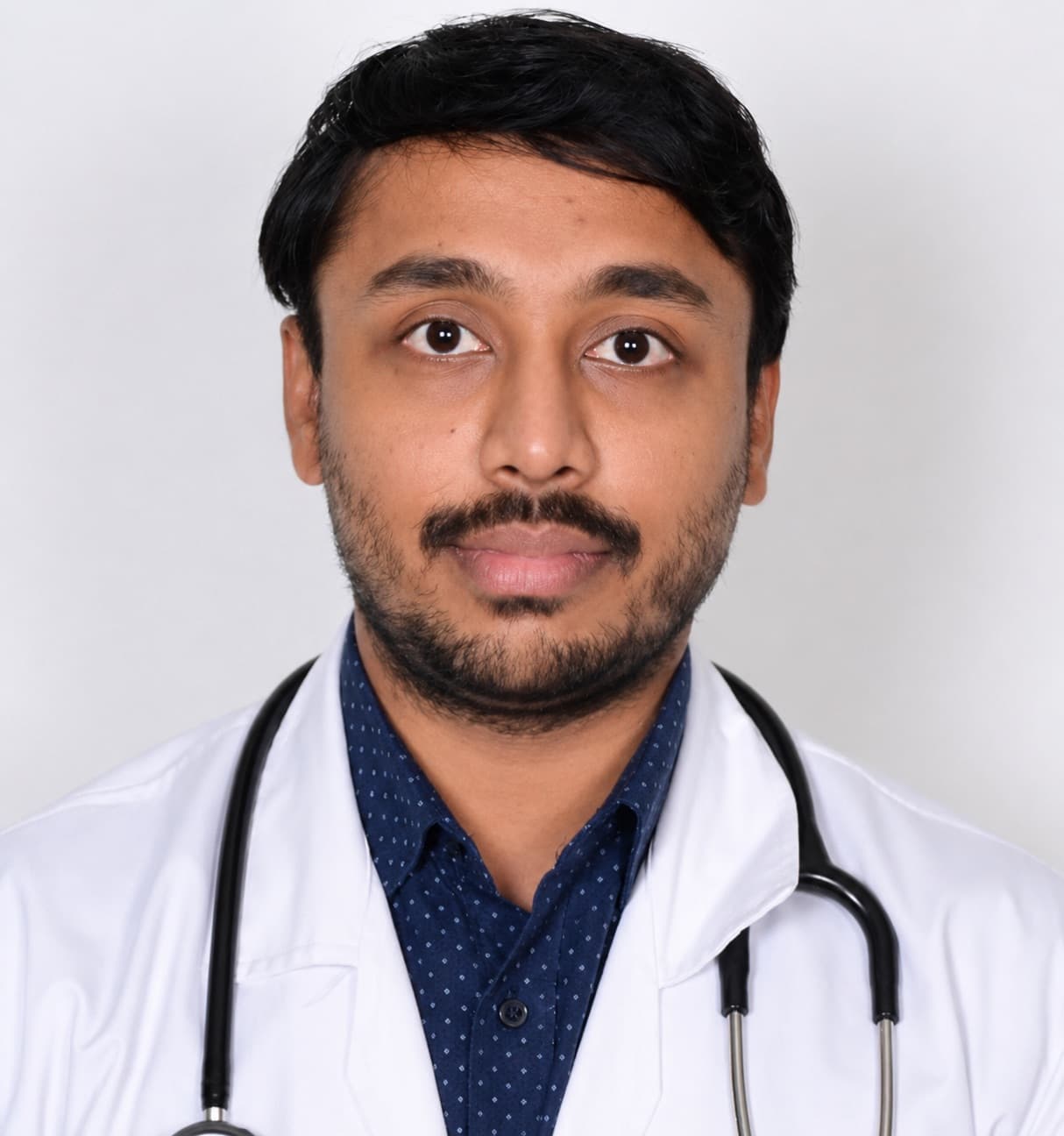
MBBS, M.S GENERAL SURGERY
8+ years experience
Renova Neelima, Sanath Nagar Main Rd, Hyderabad
Verified specialist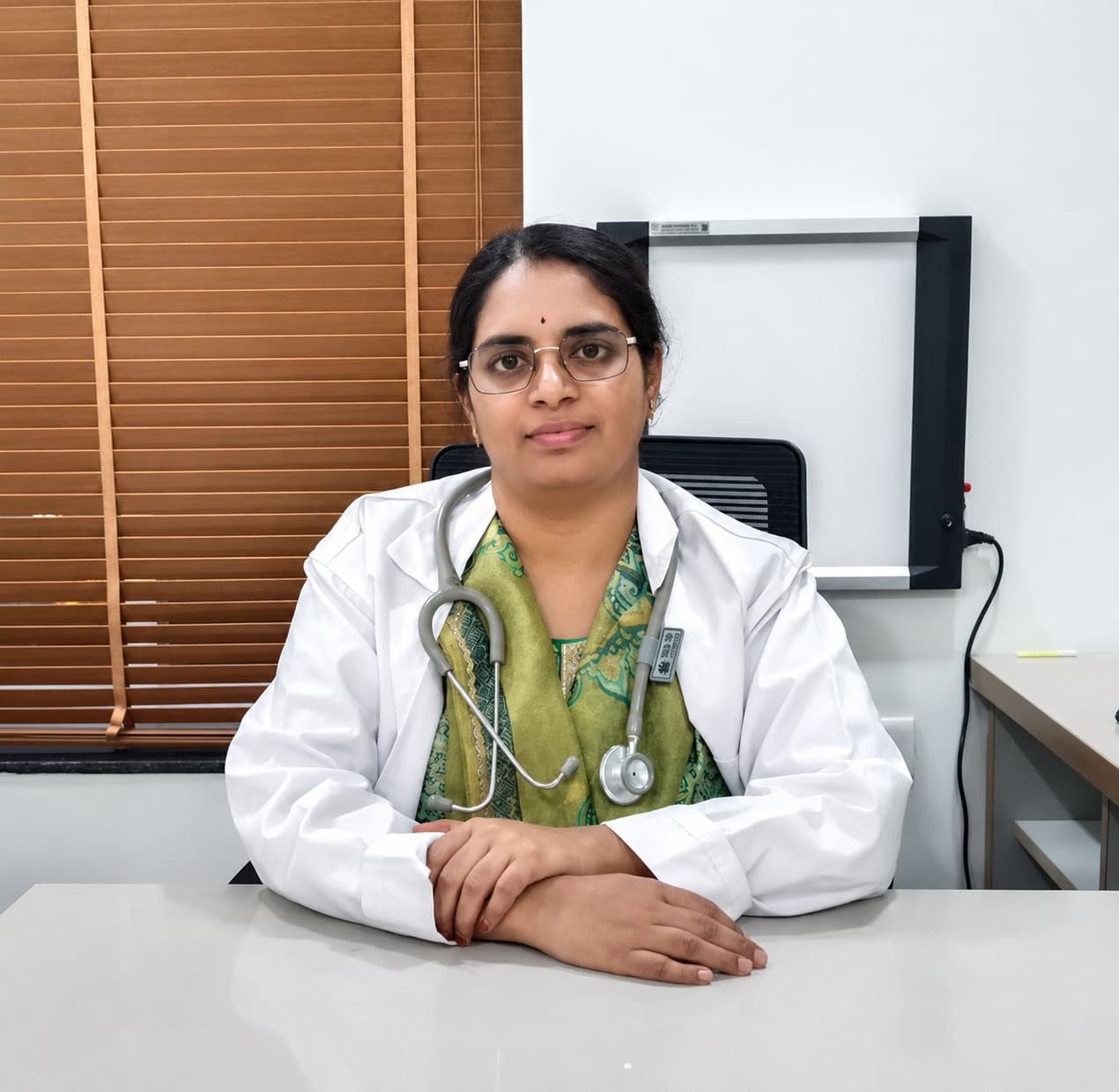
MBBS, DNB, FMAS
16+ years experience
Renova Neelima, Sanath Nagar Main Rd, Hyderabad
Verified specialist
MBBS, MS (General Surgery)
6+ years experience
TX HOSPITALS, BANJARA HILLS
Verified specialist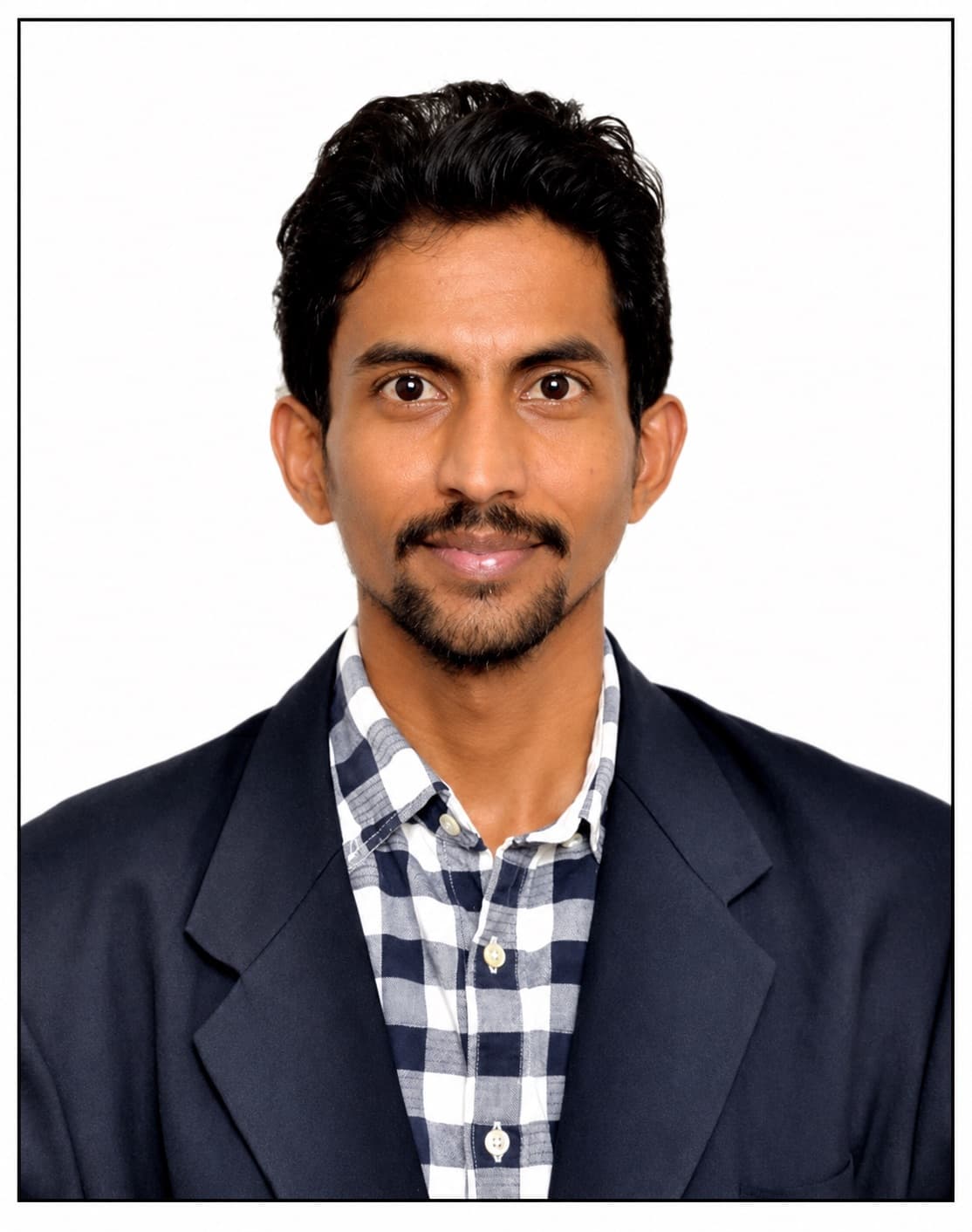
MBBS, DNB, FIAGES, EFIAGES
15+ years experience
Renova Neelima, Sanath Nagar Main Rd, Hyderabad
Verified specialist