Hysterectomy Surgery (Uterus Removal)
A complete, patient-centered guide to uterus removal surgery — details on indicators, procedure methods, costs in India, expected recovery timelines, and postoperative care.
Hysterectomy Surgery (Uterus Removal)
A complete, patient-centered guide to uterus removal surgery — details on indicators, procedure methods, costs in India, expected recovery timelines, and postoperative care.
Medically Reviewed ByDr. N V Gowthami MullangiLast updated: 16 July 2026
120+
Cases Reported Annually in Hyderabad
(per 1 Lakh Population)
Free Second Opinion
Get connected with a trusted doctor for an expert second opinion through our care team—at no cost.
Clinical Indications for a Hysterectomy
A hysterectomy may be recommended when severe uterine symptoms significantly compromise your health, daily routine, or quality of life, and less invasive management options fail to provide long-term relief.
1. Abnormal Bleeding Patterns
- Menorrhagia, extremely heavy or prolonged menstrual bleeding that impacts blood count levels
- Metrorrhagia, unpredictable, irregular bleeding or spotting occurring between standard periods
- Chronic AUB, persistent abnormal uterine bleeding that fails to resolve with targeted hormonal medications
2. Pelvic Pain & Discomfort
- Severe dysmenorrhea, intense, sharp, and debilitating uterine cramping localized across the lower abdomen
- Chronic pelvic ache, a continuous, dull, and exhausting deep abdominal discomfort lasting months
- Deep dyspareunia, significant internal pain experienced during or immediately after sexual intercourse
3. Structural & Pressure Symptoms
- Pelvic mass symptoms, large non-cancerous uterine growths causing progressive abdominal distension and bloating
- Pelvic fullness, a continuous sensation of heaviness or traction deep within the lower pelvis
- Urinary frequency, frequent urination caused directly by an enlarged uterus compressing the bladder wall
- Prolapse discomfort, feelings of structural protrusion or sagging from the uterus slipping into the vaginal canal


Common Conditions Treated
1. Benign Gynecological Conditions
- Uterine fibroids, benign tumors within the uterine wall that grow over time and prompt heavy bleeding
- Adenomyosis, an invasive condition where the lining tissue infiltrates and thickens the uterine muscle wall
- Endometriosis, painful ectopic growth of uterine lining tissue on ovaries, fallopian tubes, and pelvic walls
- Uterine prolapse, stretching and weakening of pelvic floor ligaments that allows the uterus to descend
2. Precancerous & Oncological Diseases
- Endometrial hyperplasia, abnormal thickening of the uterine lining with atypical cells, presenting a high pre-cancer risk
- Gynaecologic cancers, malignant tumors affecting the endometrium, cervix, or ovaries where surgery is curative


The Hyderabad Lifestyle Matrix: Why Hysterectomy Is Commonly Performed
In urban Hyderabad, hysterectomy is commonly performed for women with symptomatic uterine fibroids, adenomyosis, endometriosis, uterine prolapse, abnormal uterine bleeding, and certain gynecological cancers. While advances in medical therapy and minimally invasive procedures have reduced unnecessary hysterectomies, delayed treatment of chronic gynecological conditions and improved access to specialized gynecological surgery continue to influence the demand for hysterectomy.
1. Women's Health Awareness & Timely Gynecological Care
Many conditions leading to hysterectomy develop gradually over several years. Early gynecological evaluation allows many women to benefit from medications or uterus-preserving procedures before surgery becomes necessary.
Delayed Evaluation of Chronic Gynecological Symptoms
The Data: Many women tolerate heavy menstrual bleeding, chronic pelvic pain, or pressure symptoms for months or even years before consulting a gynecologist. In Hyderabad, increasing awareness has improved healthcare utilization, but busy lifestyles, social stigma, and the belief that these symptoms are a normal part of aging still contribute to delayed medical care.
The Hysterectomy Link: Delayed treatment allows conditions such as fibroids, adenomyosis, endometriosis, or uterine prolapse to progress, reducing the effectiveness of conservative treatments and increasing the likelihood of requiring hysterectomy for definitive symptom relief.
Access to Advanced Gynecological Surgery
The Data: Hyderabad has a large network of tertiary hospitals offering laparoscopic, robotic, vaginal, and open hysterectomy performed by experienced gynecologic surgeons. Advanced imaging and multidisciplinary care allow treatment to be tailored according to the underlying disease and the patient's overall health.
The Hysterectomy Link: Improved access to minimally invasive surgery enables eligible women to undergo hysterectomy with less postoperative pain, shorter hospital stays, quicker recovery, and lower complication rates compared with traditional open surgery.
2. Access to Gynecological Care in Hyderabad
What Is Happening Inside Your Body?
The uterus is a hollow, pear-shaped muscular organ responsible for hosting a developing pregnancy. Hormonal fluctuations regulate its inner layer, the endometrium, which sheds each month during regular menstruation.
Structural disorders disrupt this system entirely. Submucosal or intramural fibroids distort the shape of the uterine cavity, stretching surface blood vessels and leading to persistent, heavy menstrual bleeding. In adenomyosis, trapped tissue within the thick muscle layer fills with blood during each cycle, causing the entire organ to swell, lose its natural contractility, and create intense, constant pressure and severe structural pain.
When structural changes are severe, conservative options like hormonal therapy or focal ablation fail. Removing the dysfunctional organ via a hysterectomy eliminates the root cause of the bleeding, structural mass effect, and chronic inflammatory pain.
What Causes These Uterine Disorders?
Uterine conditions rarely stem from a single source. They typically develop due to a combination of hormonal imbalances, genetic predispositions, and cellular changes over time:
- Estrogen dominance, unregulated or elevated estrogen levels stimulate the rapid growth of both uterine fibroids and abnormal endometrial tissue layers
- Genetic factors, a family history of fibroids or severe endometriosis significantly increases an individual's structural pathology risk
- Tissue trauma, prior uterine surgeries (like a C-section) can create incisional channels where inner lining cells displace into the muscular wall, causing adenomyosis
- Ligament laxity, chronic pelvic muscle strain from multiple pregnancies, heavy lifting, or aging breaks down support, leading directly to uterine prolapse
- Oncological triggers, uncontrolled cell replication driven by obesity, metabolic syndrome, or persistent high-risk HPV infections that spark cervical or endometrial mutations
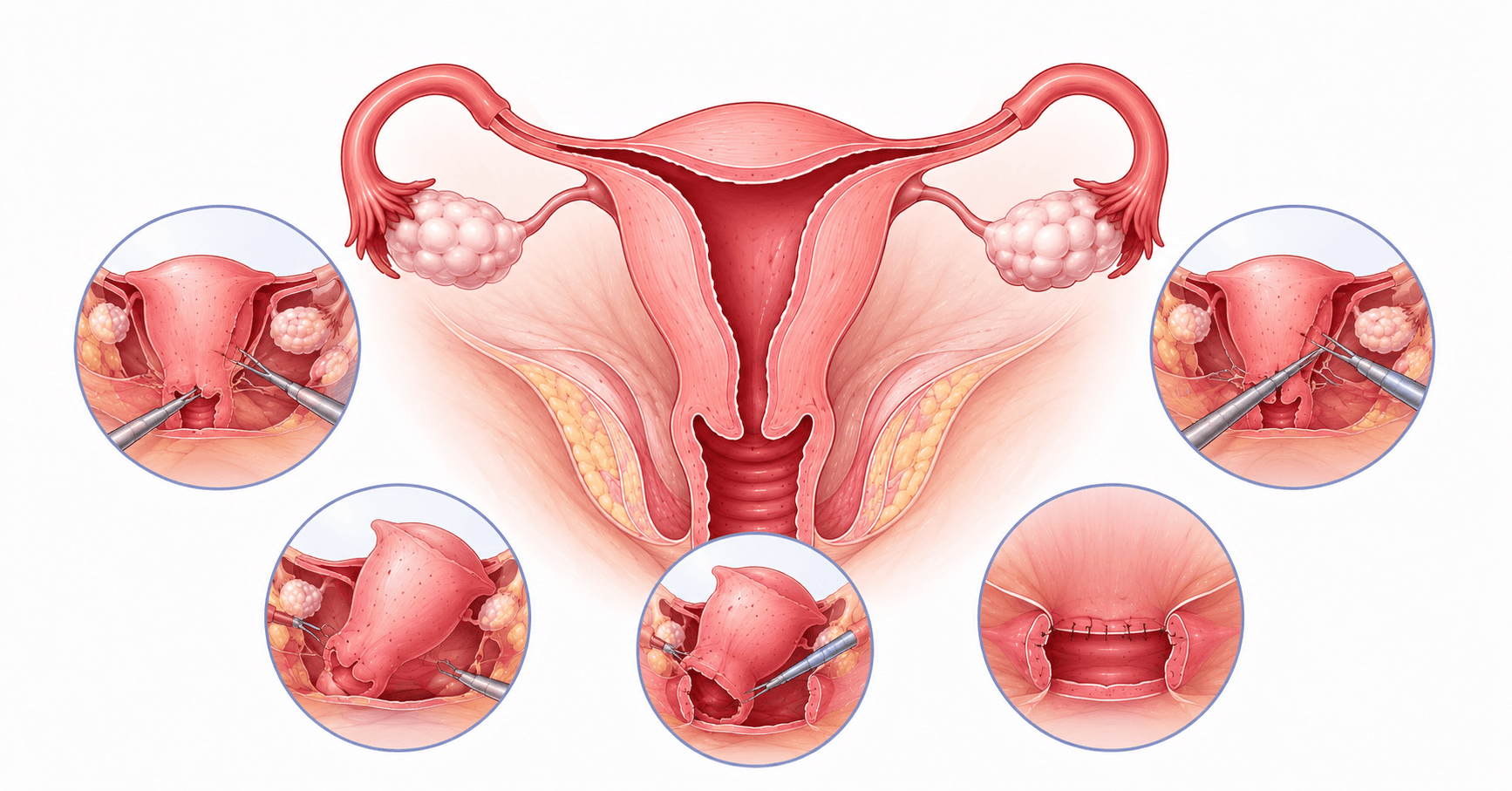
What Is a Hysterectomy?
A hysterectomy is the surgical removal of the uterus. Depending on the underlying medical issue, the surgeon determines the necessary extent of structural removal to achieve a safe, complete clinical outcome.
- Partial (Subtotal) Hysterectomy, removes the upper portion of the uterus while leaving the cervix fully intact
- Total Hysterectomy, removes the entire uterus and the cervix, eliminating future cervical disease risk
- Hysterectomy with Salpingo-Oophorectomy, removes the uterus along with one or both fallopian tubes and ovaries
Once a hysterectomy is completed, menstrual periods stop permanently and pregnancy forms are no longer possible. If ovaries are preserved, normal hormonal function continues without premature menopause.
Benefits of Surgery
- Permanent bleeding control, completely stops life-disrupting blood loss and corrects associated chronic iron-deficiency anemia
- Pelvic pain relief, resolves severe cramping and pain by removing tissue layers affected by adenomyosis or fibroids
- Definitive outcome, eliminates the risk of benign uterine symptom recurrence, providing long-term peace of mind
- Oncology management, serves as a critical, life-saving curative treatment step for verified reproductive cancers
Do You Really Need Surgery?
A hysterectomy is a definitive surgical decision. Gynecologists prioritize conservative methods first, recommending uterus-removal surgery primarily when structural anomalies become unmanageable or alternative treatments fail.
Comparison of Different Treatment Options
Doctor's Recommendation
For benign issues like fibroids or bleeding, conservative interventions like medication, hormonal IUDs, or local myomectomy are tried first. A hysterectomy becomes the optimal choice when these alternative therapies fail to provide lasting relief, childbearing plans are complete, or when precancerous or cancerous changes require urgent, comprehensive intervention.
Types of Procedures Available
The surgical approach depends heavily on your medical history, uterine size, and surgeon expertise. Minimally invasive paths are preferred for faster healing.
- Laparoscopic Hysterectomy, performed using a camera and instruments through 3–4 tiny abdominal incisions, ensuring minimal scarring and rapid recovery
- Vaginal Hysterectomy, the uterus is removed entirely through an internal vaginal incision, leaving no visible external scars and offering low post-op pain
- Open Abdominal Hysterectomy, uses a traditional horizontal or vertical lower abdominal incision, reserved for massive fibroids, extensive scarring, or advanced malignancies
- Robotic Hysterectomy, a computer-assisted laparoscopic procedure that provides exceptional precision for complex anatomical tissue separation
Preparing for Surgery
Preoperative screening verifies your overall health and helps map out surgical access plans safely:
- Complete Blood Count (CBC), checks hemoglobin levels and flags severe anemia needing stabilization before surgery
- Pelvic Ultrasound or MRI, measures precise dimensions of uterine fibroids and screens for surrounding structural changes
- Endometrial Biopsy & Pap Smear, rules out underlying cell changes inside the cervix or uterine lining before choosing the surgical route
Manage your daily medications carefully ahead of surgery to mitigate bleeding or anesthesia risks:
- Anticoagulants, blood thinners (Aspirin, Warfarin) must be discontinued 5–7 days prior under medical guidance
- Chronic illnesses, diabetic and blood pressure drugs require specific dosing adjustments on the morning of surgery
- Fasting protocols, maintain absolute fasting (nothing by mouth) for 8 hours prior to surgery to minimize anesthesia risks
- Post-discharge planning, arrange for a trusted family member or helper to assist with home routines during your initial week of recovery
What Happens on Surgery Day?
- Pre-op admission, nursing teams verify paperwork, complete surgical site prepping, and initiate an intravenous line
- Anesthesia review, the anesthesiologist checks vital signs and administers pre-medications to help you relax
- General or regional anesthesia is administered to ensure you remain completely pain-free.
- Surgical access is established through targeted micro-incisions (laparoscopic) or a lower abdominal incision (open).
- The surgeon isolates the uterus, safely clamping and sealing connected major blood vessels and supporting ligaments.
- The uterus is removed cleanly. Incisions are closed using surgical sutures or staples and covered with sterile dressings.
- Recovery room, monitors track your vital signs for 1–2 hours as you naturally wake up from anesthesia
- Early ambulation, moving your legs and sitting up within 24 hours is highly encouraged to lower deep clot risks
Before vs After Hysterectomy Surgery

When Should You Not Delay Treatment?
While elective cases for stable fibroids can be planned around your schedule, certain critical baseline changes mean you should seek urgent evaluation without delay:
- Severe hemorrhage, flooding pads rapidly, causing sudden dizziness, fainting spells, or low blood pressure
- Malignancy risks, any fresh or recurring bleeding that appears months or years after completing menopause
- Organ compression, an exceptionally large pelvic mass that blocks urine flow or strains kidney function

Know Your Insurance Benefits
Get clarity on your insurance coverage before your treatment, with guidance from our care team every step of the way.
Check My Insurance BenefitsPossible Risks and Complications

Cost of Surgery in India
Estimated Cost in Hyderabad
What Does Cost Usually Include?
- Surgeon fees
- Anesthesia charges
- Operation theatre charges
- Nursing care
- Basic medicines
- Day care admission
Additional Charges May Include
- Pre-operative investigations
- Histopathology examination
- Additional medications
- Extended hospital stay
- Management of complications
Is It Covered By Insurance?
Most health insurance plans cover hysterectomy when medically necessary.
Coverage often depends on:
- Doctor recommendation
- Medical diagnosis
- Policy terms
- Network hospital availability
Pre-Authorization: Many insurers require pre-authorization before admission.
Waiting Periods: Coverage may be affected by waiting periods for pre-existing conditions.
Exclusions: Some elective or non-medically necessary procedures may not be covered.
Recovery Timeline & Milestones
Warning Signs to Watch After Surgery
Serious post-op complications are rare. Contact your care team or visit the nearest emergency department immediately if you notice any of these markers:
- A spike in body temperature or fever climbing above 100.4°F (38°C).
- Sudden, heavy bright-red vaginal bleeding that saturates a sanitary pad within an hour.
- Worsening abdominal pain that is not relieved by your prescribed medications.
- Foul-smelling drainage, progressive redness, or swelling along surgical incision sites.
- Sudden shortness of breath, chest pain, or painful swelling in one of your calves.
Recent Clinical Studies Redefining Hysterectomy Care
Modern evidence strongly emphasizes patient optimization, standardizing minimally invasive approaches to reduce down-time, and evaluating outpatient care pathways globally.
Frequently Asked Questions
Will I enter early menopause if I have a hysterectomy?
If your surgical plan preserves your ovaries, they will continue to release estrogen normally. You will not experience premature surgical menopause or sudden hot flashes; your periods simply stop because the uterine tissue is removed.
How long will I need to remain in the hospital?
Laparoscopic and vaginal approaches generally require a 1 to 2-day hospital stay. Traditional open abdominal surgeries typically require 3 to 4 days of inpatient monitoring to track initial muscle healing.
When is it safe for me to return to work?
Most patients resume light desk work or work-from-home routines within 2 to 3 weeks following a laparoscopic hysterectomy. Physically demanding jobs involving bending or lifting require a full 6 to 8 weeks of healing.
Is the cost of a hysterectomy covered by health insurance?
Yes, for structural issues like fibroids, adenomyosis, severe chronic bleeding, or reproductive cancers, it is covered as a therapeutic, medically necessary procedure after standard policy waiting milestones.
Find the Right Specialist
Hysterectomies are planned and executed by board-certified gynecologists or specialized laparoscopic gynecological surgeons. SPEROW links you with leading, verified experts who possess advanced training in minimally invasive techniques, operating within partner hospitals equipped with round-the-clock emergency support and comprehensive perioperative infrastructure.

N V Gowthami Mullangi
VerifiedGynecology
Experience: 15+ Yrs
Hospital: Cygnet Clinics
Languages: Eng
Advanced Surgical Care
Book ConsultationView Profile 
P Farida
VerifiedGynecology
Experience: 10+ Yrs
Hospital: Renova Neelima
Languages: Eng
Advanced Surgical Care
Book ConsultationView Profile 
Reeta Agarwal
VerifiedGynecology
Experience: 23+ Yrs
Hospital: Renova Neelima
Languages: Eng
Advanced Surgical Care
Book ConsultationView Profile
Find a Surgeon You Can Trust
We'll connect you with an experienced specialist who matches your condition, treatment needs, and preferences.
Find the Right SurgeonFree Consultation
FreeGet connected with a trusted doctor for an expert second opinion through our care team.
No Cost Expert Guidance · Coordinated Care · Personalized Support