Hysterectomy (Uterus Removal)
Hysterectomy is a common surgery to remove the womb (uterus). It is usually done to help women suffering from heavy periods, severe pelvic pain, non-cancerous growths like fibroids, or other womb-related conditions when other treatments haven't helped. After the procedure, you will no longer have periods or be able to become pregnant, but it provides long-term relief from pain and discomfort so you can get back to daily life comfortably.
Hysterectomy (Uterus Removal)
Hysterectomy is a common surgery to remove the womb (uterus). It is usually done to help women suffering from heavy periods, severe pelvic pain, non-cancerous growths like fibroids, or other womb-related conditions when other treatments haven't helped. After the procedure, you will no longer have periods or be able to become pregnant, but it provides long-term relief from pain and discomfort so you can get back to daily life comfortably.
Medically Reviewed ByDr. N V Gowthami Mullangi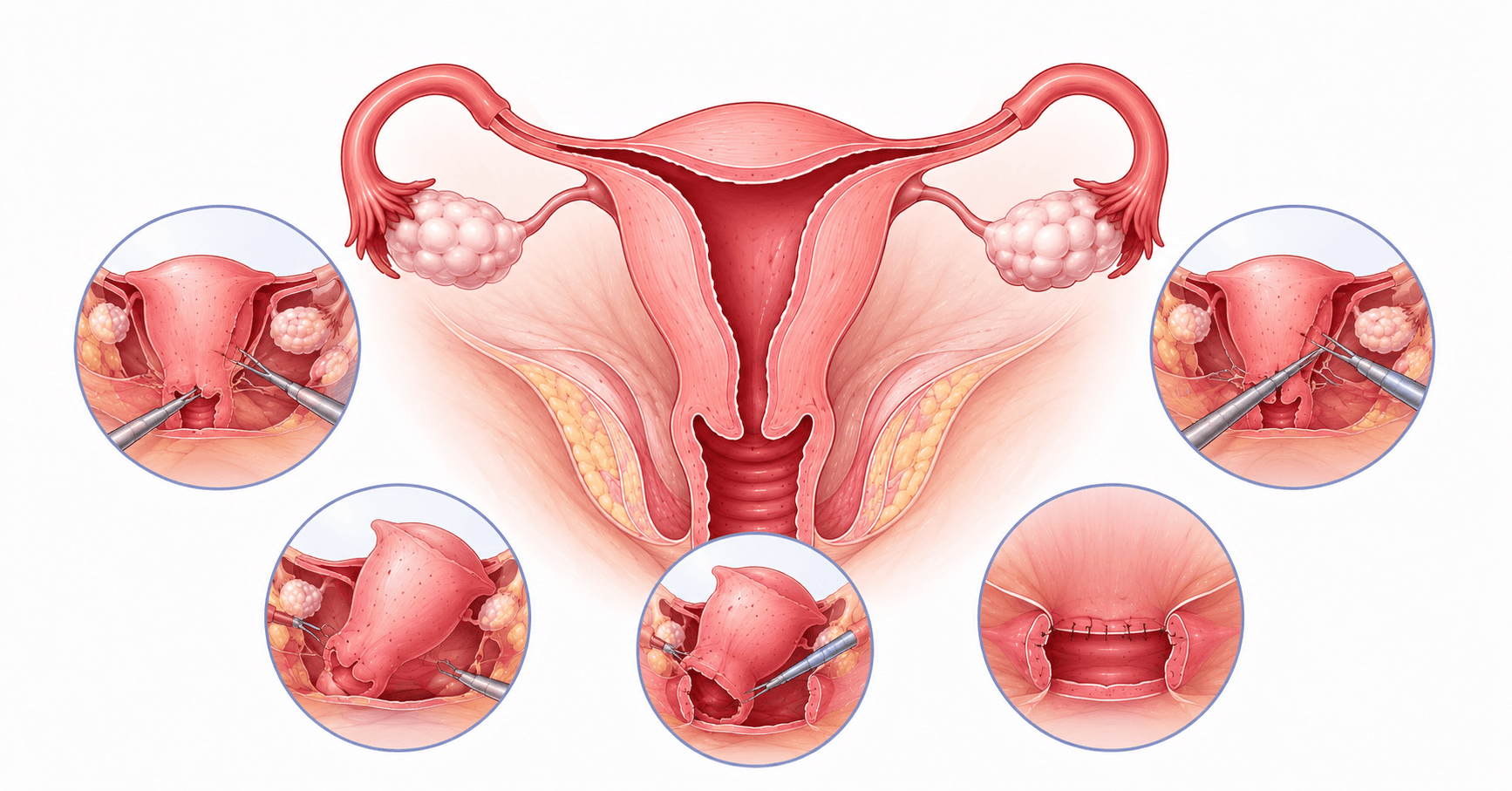
Free Second Opinion
Get connected with a trusted doctor for an expert second opinion through our care team—at no cost.
Clinical Indications for a Hysterectomy
A hysterectomy may be recommended when severe uterine symptoms significantly compromise your health, daily routine, or quality of life, and less invasive management options fail to provide long-term relief.
1. Abnormal Bleeding Patterns
- Menorrhagia, extremely heavy or prolonged menstrual bleeding that impacts blood count levels
- Metrorrhagia, unpredictable, irregular bleeding or spotting occurring between standard periods
- Chronic AUB, persistent abnormal uterine bleeding that fails to resolve with targeted hormonal medications
2. Pelvic Pain & Discomfort
- Severe dysmenorrhea, intense, sharp, and debilitating uterine cramping localized across the lower abdomen
- Chronic pelvic ache, a continuous, dull, and exhausting deep abdominal discomfort lasting months
- Deep dyspareunia, significant internal pain experienced during or immediately after sexual intercourse
3. Structural & Pressure Symptoms
- Pelvic mass symptoms, large non-cancerous uterine growths causing progressive abdominal distension and bloating
- Pelvic fullness, a continuous sensation of heaviness or traction deep within the lower pelvis
- Urinary frequency, frequent urination caused directly by an enlarged uterus compressing the bladder wall
- Prolapse discomfort, feelings of structural protrusion or sagging from the uterus slipping into the vaginal canal